
Spring Inspection Services for Your Drainage System
Spring is an ideal time for property owners to have local contractors inspect and ensure drywell systems are functioning properly for seasonal readiness.
Spring is often regarded as an ideal time to assess and maintain drainage systems, making it a popular season for Drywell Inspection services. After the winter months, accumulated debris, ice, and snowmelt can impact the performance of drainage infrastructure. Property owners may notice pooling water or drainage issues that weren’t as apparent during colder months. Scheduling an inspection in spring allows for early detection of potential problems, helping to prevent more significant issues later in the year and ensuring that the property’s drainage system is functioning properly as the seasons change.
Typically, Drywell Inspection services include a thorough evaluation of the underground drainage system, focusing on the condition of the drywell itself, the surrounding piping, and the overall flow of water. Service providers often use specialized tools and techniques to identify blockages, cracks, or signs of deterioration. Inspections can also involve assessing the capacity of the drywell to handle upcoming rainfall, as well as checking for any signs of soil erosion or structural damage. This proactive approach helps property owners maintain effective drainage and avoid costly repairs caused by unnoticed damage or clogs.
When comparing local options for Drywell Inspection, property owners should consider the experience and reputation of nearby contractors, as well as the scope of services offered. It’s beneficial to review the credentials and reviews of service providers to gauge their reliability and expertise. Additionally, understanding the methods and equipment used during inspections can help distinguish between providers who offer comprehensive assessments and those with more limited offerings. Consulting with multiple local contractors enables property owners to make informed decisions and select the service provider that best aligns with their property’s needs and maintenance goals.
Compare local contractors' expertise and experience to find the best fit for your spring drywell inspection needs.
- Importance of Drywell Inspection - Regular inspections help identify potential issues before they cause costly damage.
- Signs of Drywell Problems - Look for persistent odors, water pooling, or slow drainage around the property.
- Professional Inspection Benefits - Local contractors use specialized tools to accurately assess drywell conditions.
- Spring Maintenance Planning - Scheduling inspections in spring ensures your drainage systems are prepared for seasonal changes.
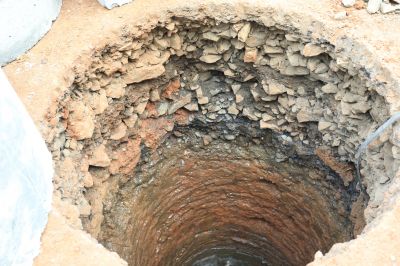
Before comparing options, clearly describe your drywell inspection project to help local contractors provide the best solutions.
- Inspect the drywell for signs of cracks, leaks, or deterioration that could affect drainage. - Look for standing water or backup issues around the drywell area that may indicate clogs or damage.
- Check the inlet and outlet pipes connected to the drywell for blockages, corrosion, or disconnections. - Ensure pipes are clear and properly attached to prevent water flow issues.
- Examine the surrounding soil for erosion, settling, or pooling that could compromise the drywell’s effectiveness. - Consider how seasonal changes might impact the stability of the drywell’s location.
- Look for organic debris, sediment buildup, or root intrusion inside the drywell that could obstruct water flow. - Clearing out blockages can help maintain proper drainage during heavy spring rains.
- Assess the condition of the drywell’s lid or cover to ensure it is secure and free from damage. - A secure cover prevents debris and pests from entering the drywell.
- Consult local contractors to determine if any repairs or maintenance are needed to optimize drywell performance for the season. - Proper inspection and upkeep can prevent costly issues later in the year.
Use drywell inspection insights to refine your project scope and identify ideal local contractors.
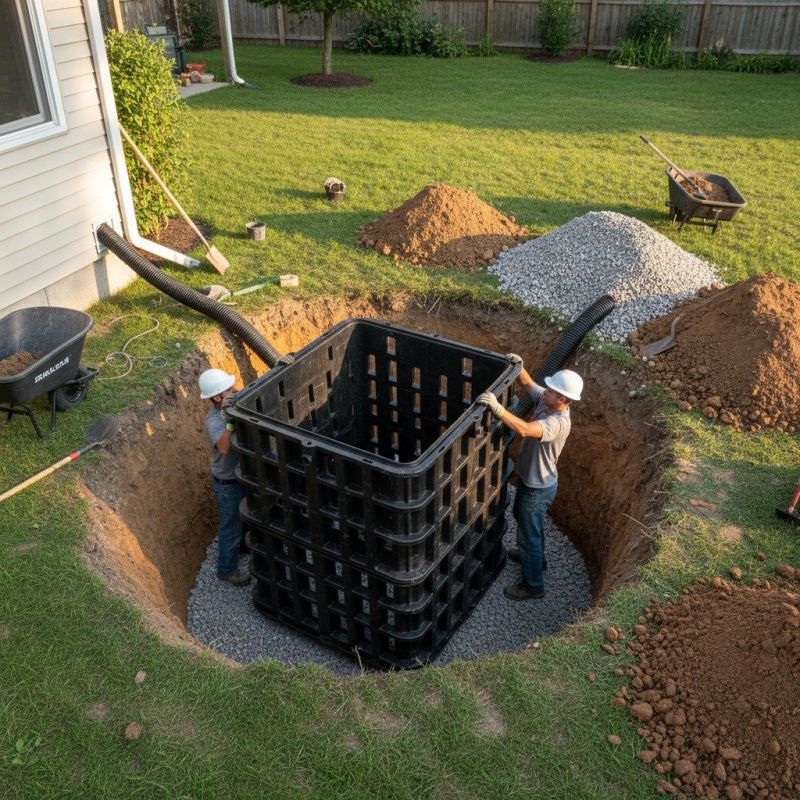
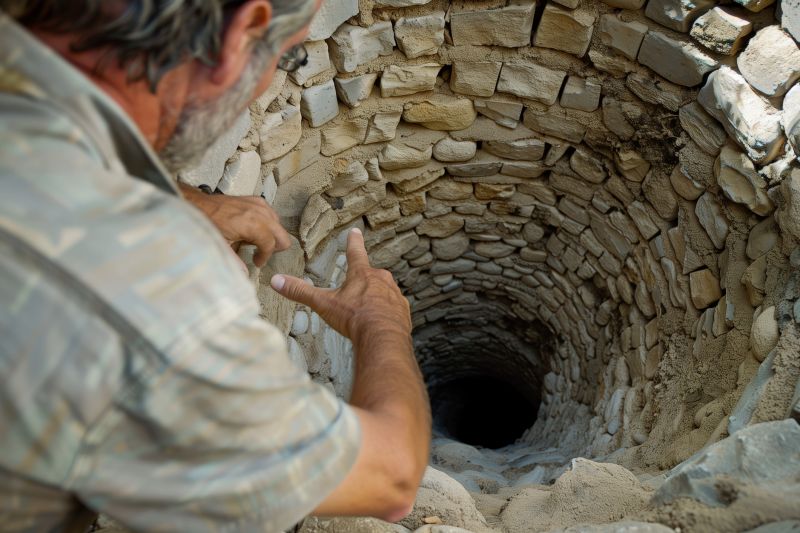
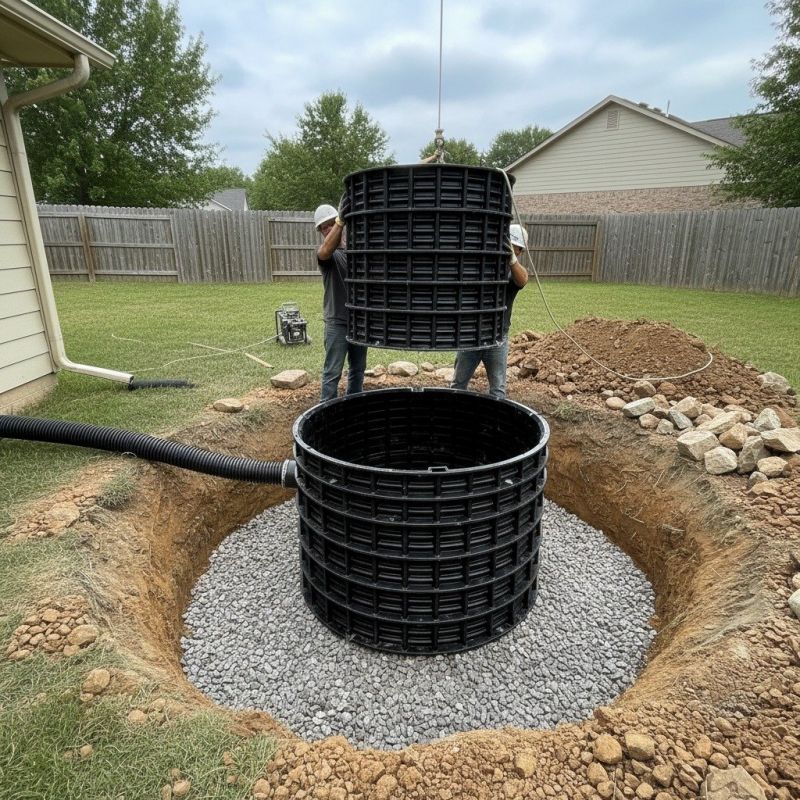
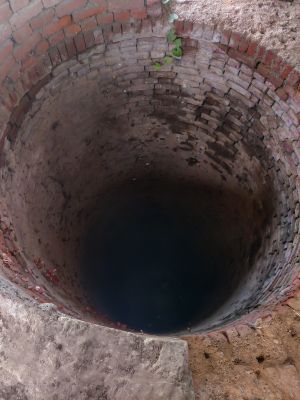
Prioritize your drywell inspection needs and compare local contractors to find the best fit for spring project planning.
- Drywell Inspection - Local contractors can perform thorough inspections of drywells to assess their condition after winter months.
- Drainage System Evaluation - Service providers can evaluate the overall drainage system to identify potential issues caused by spring runoff.
- Clog Detection and Removal - Pros can locate blockages within drywells and clear debris to ensure proper water flow.
- Structural Integrity Checks - Local experts can assess the structural health of drywells and recommend necessary repairs or maintenance.
- Preventative Maintenance Planning - Service providers can develop plans to maintain drywells and prevent future drainage problems during the spring season.
Compare drywell inspection services from trusted local contractors to ensure consistent quality and reliable results.
- Inspection Scope - Define the specific areas and components of the drywell to be examined for structural integrity and functionality.
- Access Points - Identify the locations and methods for safely accessing the drywell for inspection purposes.
- Condition Assessment - Document the current state of the drywell, including signs of corrosion, blockages, or damage.
- Inspection Methods - Determine the tools and techniques that will be used to evaluate the drywell’s condition thoroughly.
- Reporting Requirements - Specify the details needed in the inspection report to inform maintenance or repair decisions.
When comparing service providers for drywell inspection during the spring season, it’s important to consider their experience with similar projects. Homeowners should inquire about how long each local contractor has been performing inspections and whether they have worked on properties with comparable drainage systems or soil conditions. An experienced professional is more likely to understand the unique challenges that spring weather and seasonal changes can present, ensuring a thorough assessment of the drywell’s condition and functionality.
Clarity in the scope of work is essential when evaluating options. Homeowners should seek detailed descriptions of what each service provider’s inspection includes, such as checking for blockages, assessing the integrity of the drywell structure, and evaluating the surrounding drainage system. Clear written scope details help ensure there are no misunderstandings about what will be performed and allow for a more straightforward comparison of the services offered by different local contractors.
Work planning considerations are also key during the spring season when weather conditions can influence scheduling and project execution. Homeowners should ask how each service provider plans their inspections, including how they accommodate potential springtime weather disruptions or soil moisture levels. Understanding their approach to planning and preparation can help ensure the inspection is completed efficiently and thoroughly, without unnecessary delays caused by seasonal factors.
Evaluating options without focusing on pricing involves examining the professionalism and transparency of each local contractor. Homeowners can compare how clearly each provider communicates their process, the level of detail in their proposals, and their responsiveness to questions about the inspection process. Considering factors such as experience, scope clarity, and work planning can help identify the most reliable and knowledgeable service providers, making it easier to select a partner well-suited to handle drywell inspections during the spring season.
Request written scope details from local contractors to ensure clarity and consistency for your spring drywell inspection.
- Scope Clarification - What specific inspection services do local contractors include for drywells during spring?
- Provider Comparison - How do different service providers' inspection methods and thoroughness vary?
- Inspection Techniques - What types of tools and technologies are used by local contractors to evaluate drywell conditions?
- Service Coverage - Do providers offer comprehensive assessments that include potential repairs or maintenance recommendations?
- Experience & Expertise - How do the experience levels of local contractors influence the quality of drywell inspections?
What is a drywell inspection? A drywell inspection involves evaluating the condition and functionality of underground drainage systems designed to manage excess water runoff, ensuring they are clear and working properly.
Why should I consider a drywell inspection in spring? Spring often brings increased rainfall and runoff, making it a good time to assess drainage systems to prevent water pooling or flooding issues during the season.
What signs indicate my drywell needs inspection? Signs include standing water around the drywell, slow drainage, or backups in nearby plumbing, which could suggest blockages or damage requiring inspection.
How do local contractors perform drywell inspections? They typically use specialized equipment to assess the condition of underground components, identify blockages or damages, and recommend necessary repairs or maintenance.
Are drywell inspections necessary for new properties? Yes, inspecting new properties can help verify that the existing drainage systems are functioning properly and identify any potential issues early on.
What benefits come from regular drywell inspections? Regular inspections can help maintain proper drainage, prevent costly repairs, and ensure the system operates efficiently during heavy rain or seasonal changes.
Understanding the importance of a thorough drywell inspection can help ensure your property’s drainage system functions effectively and prevents potential issues. Spring is a great time to evaluate your drainage needs as weather patterns change, and local contractors are available to provide expert assessments tailored to your specific situation. Comparing options through this platform can help connect you with trusted service providers in your area who can assist with your drywell inspection needs.
Taking the time to explore local contractors for drywell inspections allows for informed decisions during spring planning. Whether preparing for seasonal rains or addressing existing concerns, accessing multiple local options ensures you find the right service provider for your project. Use the quote form to compare local offerings and identify professionals equipped to handle your drywell inspection efficiently and effectively.
Providing clear details about your drywell inspection project helps local contractors understand your needs and offer accurate assistance.
- Inspection Process - Details about how the drywell will be examined to identify potential issues.
- Signs of Damage - Common indicators that may suggest the drywell needs inspection or repair.
- Preparation Requirements - Information on how to prepare the area or property prior to the inspection.
- Service Provider Expertise - The types of local contractors who specialize in drywell assessment and evaluation.